
Understanding Survivorship Bias in Child Safety: Why Grandparent Wisdom May Fall Short
In today's world, making decisions about child safety can be difficult. Many new parents often find themselves weighing the advice of their own parents, who have raised children successfully. However, this perspective can be influenced by survivorship bias—a tendency to focus only on successful outcomes while overlooking failures. As new safety standards emerge, it is crucial for parents to understand how child safety has transformed over the years.
The notion that simply because something didn’t occur to us during our childhood or the childhood of our children, it doesn’t necessarily mean it wasn’t or hasn’t been a life-altering experience for others.

The Evolution of Child Safety Standards
Child safety is a continually evolving field. Practices and recommendations change as new research is published and societal norms develop. Take, for example, smoking during pregnancy. In past decades, many parents smoked without understanding the potential risks. Today, we know that smoking can cause low birth weight, premature births, and even stillbirths. According to the Centers for Disease Control and Prevention (CDC), rates of smoking during pregnancy have dropped from about 20% in the early 2000s to around 8% today due to increased awareness.
Car seat safety has also made significant strides. In the 1980s, many children were simply strapped in with seat belts. Those measures offered little protection during car accidents, often leading to tragic outcomes. Today, research shows that using age-appropriate car seats can reduce the risk of injury by up to 71%. In 2020, car crashes claimed the lives of 325 children aged 0-12, further highlighting the need for adherence to current safety protocols.

The Role of Grandparents in Child Safety
While grandparents possess valuable insights from their parenting experiences, it is essential to acknowledge that their practices may not align with current standards. This disconnect can create a false sense of security.
Many grandparents may still suggest placing infants on their stomachs to sleep, a practice that is now known to increase the risk of Sudden Infant Death Syndrome (SIDS). The American Academy of Pediatrics recommends placing infants on their backs for sleep. This guideline has led to a more than 50% decrease in SIDS rates since the introduction of the "Back to Sleep" campaign in the 1990s.
New parents should approach grandparent advice with a healthy skepticism. What was effective years ago may not be suitable today.
Childproofing: A Modern Necessity
Childproofing is a vital aspect of creating a safe home environment. While older generations may have relied on simply keeping hazardous items out of reach, modern childproofing requires a more comprehensive approach.
Today, effective childproofing includes:
Safety gates: Preventing access to stairs or dangerous areas.
Cabinet locks: Keeping toxic substances and sharp objects securely stored.
According to the National Safety Council, unintentional injuries are the leading cause of death for children aged 1 to 4. This statistic underlines the critical need for proactive safety measures.
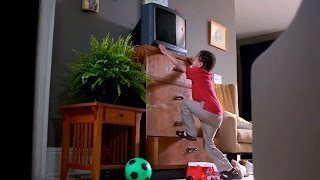
Parents should review their homes to identify risks that children may encounter. This includes securing heavy furniture to walls, using corner guards on sharp furniture edges, and ensuring that all medications and cleaning supplies are kept out of reach.

Staying Informed About Safety Guidelines
As new parents, it is crucial to stay informed about the latest child safety guidelines. This means consulting reputable resources, such as pediatricians, child safety groups, and health agencies.
Familiarizing oneself with current safety practices is vital. For example, in 2019, the CDC reported that approximately 3,500 infants died from sleep-related fatalities, including SIDS. This emphasizes the importance of adhering to safe sleep practices and educating caregivers about potential risks.
Engaging in conversations with grandparents about child safety is equally important. While valuing their experiences, it is essential to advocate for updated practices. Open dialogue between generations can bridge knowledge gaps and help create a safer environment for the children.
Final Thoughts
Survivorship bias can create an illusion of safety when it comes to raising children. While grandparents have raised children successfully, the landscape of child safety has changed dramatically over the years.
As new parents, it is vital to recognize advancements in child safety standards and approach advice from previous generations with a critical mindset. By staying informed, discussing openly, and implementing modern childproofing practices, parents can create a secure environment for their children to thrive.
Ultimately, child safety is a shared responsibility. Through ongoing education and adaptation, we can promote the well-being of future generations and ensure they grow up in a safer world.




Comments