
Essential Strategies for Childproofing Your Home: Pool Fencing and Furniture Anchoring Safety Tips
Creating a safe environment for young children is essential for every parent and caregiver. With kids aged newborn to 5 years being particularly prone to accidents, it becomes vital to employ effective childproofing strategies. This blog post delves into the importance of childproofing, focusing on pool safety fencing and furniture anchoring. We will also explore injury statistics, which highlight the urgency of these safety measures.

Accidents can occur in an instant, and the statistics are alarming. The Centers for Disease Control and Prevention (CDC) indicates that unintentional injuries rank as the leading cause of death for children in the United States. For children aged 1 to 4 years, drowning is the second leading cause of unintentional injury death. Moreover, nearly 17,000 children visit emergency rooms each year due to injuries from furniture tip-overs, falls, and other household hazards.
The Importance of Childproofing
Childproofing your home is not merely a precaution; it is about fostering a safe space where children can discover and learn without constant monitoring. Childproofing includes identifying risks and taking steps to reduce them. This can involve securing large furniture, installing safety gates, and keeping harmful substances out of reach.
One effective way to childproof your home is by concentrating on high-risk areas, like the living room, kitchen, and bathroom. In these settings, it is critical to:
Anchor heavy furniture to the wall.
Use safety latches on cabinets.
Keep sharp objects, toxic substances, and choking hazards out of reach.
By implementing these measures, you can drastically lower the chance of injuries.
Pool Safety Fencing
For families with pools, a safety fence is an indispensable aspect of childproofing. Drowning can happen swiftly and quietly, making barriers essential. The CDC reports that for every child who drowns, another five receive emergency care for nonfatal submersion injuries. These injuries can result in lifelong complications.
A proper pool safety fence should be at least four feet tall and equipped with a self-closing, self-latching gate. It is crucial to ensure that the fence lacks gaps or footholds that a child could use to climb over. Also, consider adding pool alarms and teaching children about water safety as soon as they are old enough to understand.

Furniture Anchoring
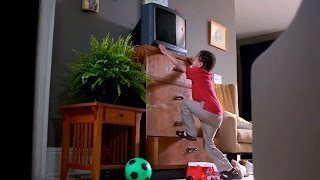
Furniture tip-overs present a significant danger to young children, particularly as they begin to climb and explore. According to the Consumer Product Safety Commission (CPSC), a child is injured every 24 minutes due to furniture tip-overs. These accidents can lead to severe head injuries and other serious conditions.
To prevent such incidents, anchor heavy furniture—like bookshelves, dressers, and televisions—securely to the wall. Use furniture straps or brackets to ensure stability and limit the chance of tipping. Additionally, place heavy items on lower shelves to minimize the risk.
Creating a Safe Environment
Beyond pool fencing and furniture anchoring, several additional strategies can enhance child safety throughout your home. Here are some practical tips to consider:
Use Safety Gates: Install safety gates at both the top and bottom of stairs to prevent falls.
Cover Electrical Outlets: Use outlet covers to keep children safe from inserting objects into electrical sockets.
Secure Cords and Cables: Tidy up cords and cables to reduce strangulation threats.
Store Hazardous Materials Safely: Lock away cleaning supplies, medications, and other dangerous items.
Supervise Playtime: Always watch young children play, especially in areas with potential hazards.
Ensuring a Safer Home
Childproofing your home is a crucial step toward ensuring the well-being of your children. Implementing strategies such as pool safety fencing and furniture anchoring can dramatically lower the risk of injuries. The aim is to cultivate a secure environment where children can explore freely and safely.
As caregivers, it is our duty to take proactive measures to safeguard our little ones. By staying aware of potential dangers and applying effective childproofing methods, we can create a safer space for our children to grow and thrive.

Prioritizing child safety helps prevent accidents and ensures that children can explore their world without undue worry. Remember, a little preparation goes a long way in keeping our children safe.




Comments