
Creating a Safe Environment for Kids Beyond Just Saying No
Parents often say, "My child knows not to..." followed by a list of things they want their children to avoid. Common examples include not going near the pool, not climbing on furniture, not opening doors to go outside, not touching guns, and not playing in cars. These rules are essential, but relying only on telling children what they should not do is not enough to keep them safe.
Children are naturally curious and sometimes test boundaries. When they do not follow the rules, the consequences should never be life-threatening.
Why Saying No Is Not Enough
Telling children "no" is a critical part of teaching boundaries. It helps them understand what is dangerous or off-limits. However, children do not always listen, especially when they are distracted or curious.
For example, a child might know not to go near the pool but might run toward it when a ball rolls close. The risk of drowning is real and immediate. Simply saying "no" cannot prevent accidents if the environment itself is not safe.
Parents need to accept that children will sometimes misbehave or forget rules. The goal is to reduce the chances of harm when this happens.
Practical Safety Measures to Support Rules
To protect children effectively, parents should combine verbal instructions with physical safety measures. Here are some key examples:
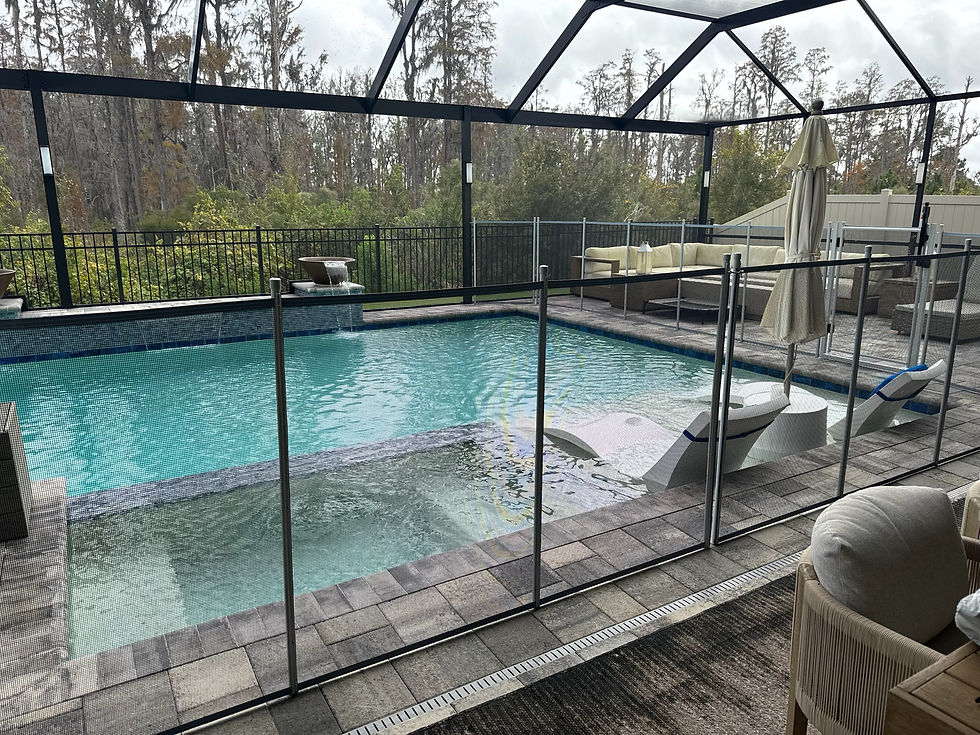
Install a pool fence
A sturdy fence around the pool with a self-locking gate creates a barrier that children cannot easily cross. This reduces the risk of accidental drowning.
Anchor furniture
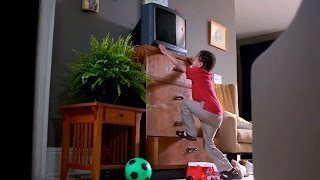
Heavy furniture can tip over if children climb on it. Securing furniture to walls prevents falls and injuries.
Install door locks and latches
Childproof locks on doors prevent children from wandering outside unsupervised, especially near busy streets or pools.
Keep firearms in safes
Firearms should always be stored unloaded in locked safes, out of reach and sight of children.
Keep vehicles locked and keys out of reach
Children playing in cars can accidentally start them or get trapped. Locking vehicles and storing keys safely prevents this danger.
These measures create a safer environment that supports the rules parents set. They reduce the risk of serious accidents when children do not follow instructions.

Teaching Safety Alongside Rules
Physical safety measures work best when combined with ongoing teaching about safety. Parents can:
Explain why certain rules exist, like why pools are dangerous without supervision.
Practice safety drills, such as what to do if a door is accidentally opened.
Encourage children to ask for help when unsure about something dangerous.
Praise children when they follow safety rules to reinforce positive behavior.
This approach helps children understand the reasons behind rules and encourages them to make safer choices.
Creating a Culture of Safety at Home
Safety is not just about rules and barriers; it is about creating an environment where children feel secure and supported. Parents can:
Regularly check safety equipment like fences and locks to ensure they work properly.
Keep hazardous items out of sight and reach, including cleaning supplies and sharp objects.
Use childproof covers on electrical outlets and secure cords.
Supervise children closely in risky areas like kitchens and bathrooms.
By making safety a priority in every part of the home, parents reduce the chance of accidents and build trust with their children.

Final Thoughts on Keeping Children Safe
Teaching children what they should not do is essential, but it is only one part of keeping them safe. Children will test limits and sometimes ignore rules. The consequences of these moments should never be life-threatening.
Parents can protect their children by combining clear rules with physical safety measures like pool fences, anchored furniture, door locks, firearm safes, and locked vehicles. Alongside these, ongoing education about safety helps children understand and respect boundaries.
Creating a safe environment means thinking ahead and preparing for when children do not follow instructions. Taking these steps helps parents feel confident and children stay safe.




Comments