
Childproof Your Home with Expert Help
Bringing a child into your home is a joyful experience, but it also comes with new responsibilities. One of the most important tasks is making sure your home is safe for your little explorer. Childproofing your home is not just about buying a few locks or covers; it’s about creating an environment where your child can grow, learn, and play without unnecessary risks. I’ve learned that taking the right steps early on can save a lot of worry and prevent accidents.
Why Home Childproofing Solutions Matter
When children start crawling and walking, their curiosity knows no bounds. They want to touch, taste, and explore everything around them. This natural curiosity can lead to dangerous situations if the home isn’t prepared. Home childproofing solutions help reduce these risks by addressing common hazards in every room.
For example, sharp corners on furniture can cause injuries, electrical outlets can be tempting for little fingers, and cabinets often hold cleaning supplies or medicines that are harmful if ingested. By installing corner guards, outlet covers, and cabinet locks, you create a safer space for your child.
I recommend starting with a thorough walk-through of your home from a child’s eye level. This helps you spot potential dangers you might miss otherwise. Look for:
Loose cords or blinds that could cause strangulation
Small objects on the floor that could be choking hazards
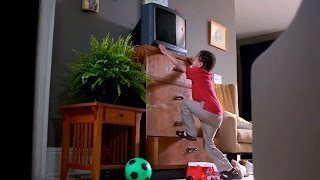
Unstable furniture that could tip over
Taking these steps early can prevent many common accidents.

Practical Steps to Childproof Every Room
Each room in your home has unique challenges when it comes to child safety. Here’s a room-by-room guide to help you get started:
Kitchen
The kitchen is full of potential dangers. Hot surfaces, sharp knives, and cleaning chemicals are all within reach if not properly secured. Use stove knob covers and keep knives in high drawers or locked cabinets. Install childproof locks on cabinets containing cleaning products or medicines.
Living Room
In the living room, secure heavy furniture like bookshelves and TVs to the wall to prevent tipping. Use outlet covers and keep cords out of reach. Remove small decorative items that could be choking hazards.
Bathroom
Bathrooms are slippery and filled with chemicals. Use non-slip mats in the tub and on the floor. Keep medicines and cleaning supplies in locked cabinets. Always supervise your child during bath time.
Bedrooms
In bedrooms, avoid placing furniture near windows to prevent falls. Use window guards or stops to limit how far windows can open. Keep cords from blinds out of reach.
Stairways and Doors
Install safety gates at the top and bottom of stairs. Use door knob covers or locks to prevent your child from entering unsafe areas like basements or garages.
By addressing each room’s specific risks, you create a safer environment that lets your child explore with confidence.

When to Call in Professional Help
While many childproofing tasks can be done on your own, some situations call for expert assistance. Professional childproofing services can provide a thorough assessment of your home and install safety devices correctly. They have experience spotting hazards that might not be obvious to parents.
For example, professionals can:
Secure large furniture and appliances safely
Install custom safety solutions for tricky areas
Provide advice tailored to your home’s layout and your child’s age
If you want peace of mind and a comprehensive safety plan, consider reaching out to Full House Babyproofing. We specialize in creating safe homes for families in the Tampa Bay Area and can help you protect your child effectively.
Maintaining a Safe Home as Your Child Grows
Childproofing is not a one-time job. As your child grows and develops new skills, their ability to get into trouble changes. What was safe for a crawling baby might not be enough for a toddler who can open doors or climb furniture.
Regularly reassess your home’s safety by:
Checking locks and covers for wear and tear
Removing or adjusting safety devices that are no longer needed
Adding new protections as your child’s mobility and curiosity increase
Stay vigilant and adapt your childproofing measures to keep up with your child’s development.
Creating Peace of Mind for Parents
Knowing your home is safe allows you to relax and enjoy watching your child explore. Childproofing is about more than just preventing accidents; it’s about creating a nurturing environment where your child can thrive.
By taking the time to childproof your home thoroughly, you’re investing in your child’s safety and your own peace of mind. Whether you choose to do it yourself or enlist professional help, the goal is the same: a safe, happy home for your family.
Remember, safety is a journey, not a destination. Keep learning, stay proactive, and don’t hesitate to ask for expert advice when needed. Your child’s safety is worth every effort.




Comments